


Timelines 10
Man and his Senses 10
Man and his Inventions 10
Geography 10
Fauna 10
Timelines 10
Man and his Senses 10
Man and his Inventions 10
Geography 10
Fauna 10
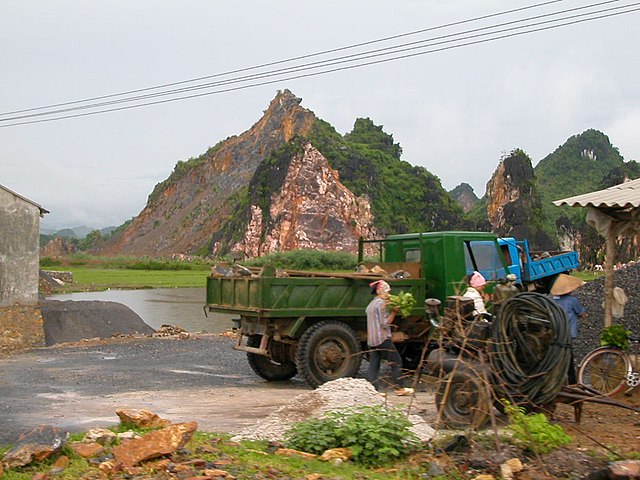
Nepal’s Chure–Bhabar hills are far more than simple formations of rock and soil. They act as a natural bridge between the high Himalayas and the fertile plains below. This mountain belt functions like a vast sponge, absorbing rainwater and gradually replenishing underground aquifers. These hidden reserves supply the water that farmers in both Nepal and India rely on for their livelihoods and survival. Yet this delicate system now faces a serious threat. To support the growing construction demand, millions of tons of sand and boulders are being extracted from Nepal’s riverbeds and transported to India. While this trade helps build cities, it also weakens the natural foundation on which the region depends.The consequences of this large scale extraction are becoming increasingly visible. In Nepal, the Chure hills are eroding at a rapid pace. At the same time, in Indian states such as Bihar and Uttar Pradesh, groundwater levels are declining while riverbeds continue to rise. Without the large stones that once slowed the flow of water, monsoon floods now move faster and cause greater destruction, damaging bridges and infrastructure on both sides of the border. If the ecological balance of the Chure range collapses, the fertile plains that sustain millions of people could gradually lose their productivity. This is a challenge that both nations must confront together.
Is the Nepali Government's Decision Coming at the Cost of the Environment?
The Nepali government’s plan to export gravel and sand to India has ignited intense debate. The proposal is controversial because it appears to prioritize resource extraction over the protection of the Chure region. According to recent news reports, the government aims to reduce the trade deficit through these exports. Environmental experts and policy observers, however, warn that the move could prove deeply damaging for the fragile Chure ecosystem. Supporters argue that the policy may generate much needed economic benefits. Critics counter that it risks short term profits at the expense of long term environmental stability. The Chure zone is already highly vulnerable, and uncontrolled removal of sand and gravel from riverbeds could significantly increase the risks of landslides and soil erosion. The consequences would extend beyond forests and wildlife, potentially endangering communities living in the Terai lowlands.
Why Is the Impact of Mining Affecting Indian Farmers Across the Border?
The destruction in the Chure range does not stop at Nepal’s borders. It is a crisis without boundaries. A policy briefing explains that erosion in the Chure hills directly affects groundwater recharge in India. As the hills degrade, they lose their natural capacity to absorb rainfall. Water that once seeped slowly into underground reserves now flows rapidly across the surface. This shift disrupts the water cycle in India’s lowland regions. In the border districts of Bihar and Uttar Pradesh, where agriculture depends heavily on groundwater, water tables are already declining. The briefing describes a chain reaction triggered by the degradation of the hills, one that ultimately threatens regional water security. If the mountains can no longer retain water, the plains below may gradually run dry.
What Is Happening to the Ecosystems of Himalayan Rivers?
Mining in Himalayan riverbeds is often haphazard and poorly regulated. Scientific observations from 2024 and 2025 in regions such as Himachal Pradesh reveal serious ecological consequences. Continuous extraction of sand and stones disrupts aquatic habitats, destroying fish spawning grounds and altering the natural flow of rivers. Heavy machinery stirs up large amounts of sediment, making the water turbid and preventing sunlight from reaching underwater plants and microorganisms. This disturbance spreads through the entire food chain, affecting multiple species. The problem extends far beyond a single river. It threatens the fragile balance of the Himalayan ecosystem, which is now showing clear signs of strain.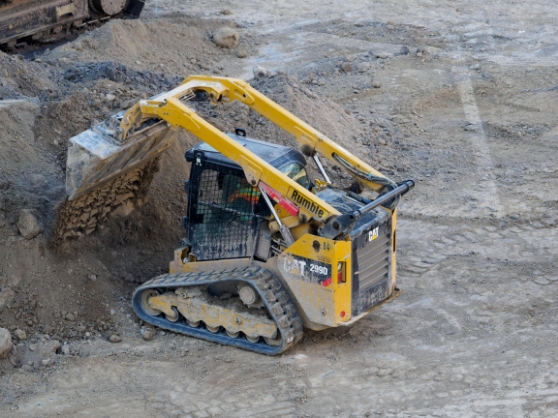
How Deep Is the Divide Between Sand Mafia and the Law?
Behind the crisis lies another powerful force: the sand mafia and the widening gap between environmental regulations and their enforcement. A 2024 analysis highlights the stark contrast between official policies and ground realities in both India and Nepal. Along rivers such as the Mahakali and Teesta, sand mafias frequently operate in defiance of regulations. Although laws prohibit the use of heavy machinery and limit extraction to designated zones, these rules are often ignored in practice. The report describes illegal mining as an organized criminal enterprise. Trucks and dumpers move through riverbeds, often under the cover of darkness, extracting large quantities of material. Weak enforcement and, at times, the complicity of local authorities allow this trade to continue. The Mahakali River, which forms part of the international boundary, silently bears witness to this exploitation. Until the gap between policy and practice is addressed, protecting these rivers will remain an extremely difficult task.
Are Our Bridges and Infrastructure Safe?
Excessive mining is also undermining critical infrastructure. Research shows that over extraction in Nepal is causing significant geomorphological changes that weaken built structures. When too much material is removed from riverbeds, the river channel deepens. Bridge foundations that were once safely buried become exposed to fast flowing currents. As a result, the supporting pillars lose stability and the risk of collapse during floods increases sharply. Several bridges in Nepal have already failed or suffered serious damage due to uncontrolled extraction. This is not only an economic loss; it also threatens the daily safety of the people who rely on these crossings.
Rising Riverbeds and Flood Risks: What Can We Learn?
An academic geostory traces the changing character of rivers such as the Kosi. It explains how massive sediment loads are gradually raising riverbeds and intensifying devastation across the floodplains shared by Nepal and India. Deforestation and unchecked extraction in the hills send large quantities of soil and sand rushing downstream. When the rivers reach the plains, the current slows and begins to deposit this sediment, gradually elevating the riverbed. As a result, riverbanks become more vulnerable, and floods spread across wider areas. The Kosi River, long known as the Sorrow of Bihar, provides one of the clearest examples of this pattern. The study suggests that these floods are no longer purely natural disasters but are increasingly shaped by human actions and environmental mismanagement.
Is There a Way to Stop This Devastation?
Breaking this destructive cycle requires strict and sustainable management. Guidelines issued by the National Green Tribunal address the dangers of excessive sand mining, including groundwater depletion and damage to bridges and river ecosystems. The recommendations call for scientific methods that protect the natural recovery capacity of rivers. Mining volumes and locations must be determined through detailed environmental surveys. Continuous monitoring of groundwater levels and a strict prohibition on extraction near bridges are also essential. The document serves both as a warning and as a practical roadmap. Without timely action, vital water sources could decline and critical infrastructure could weaken.
As this discussion shows, protecting the Chure hills is not solely Nepal’s responsibility. It is a challenge that concerns the stability of an entire region. If these hills continue to degrade, the fertile farmlands that sustain communities in both Nepal and India could gradually lose their productivity. The studies cited here make it clear that the consequences will be shared. While the trade in sand and stone may help build cities, the loss of rivers, soil, and ecological balance would ultimately prove far more costly.
Sources:
https://tinyurl.com/25z8nedz
https://tinyurl.com/24yvqjoq
https://tinyurl.com/29dqehqq
https://tinyurl.com/2bmnknfh
https://tinyurl.com/2ble6582
https://tinyurl.com/26c5eakw