


Timelines 10
Man and his Senses 10
Man and his Inventions 10
Geography 10
Fauna 10
Timelines 10
Man and his Senses 10
Man and his Inventions 10
Geography 10
Fauna 10
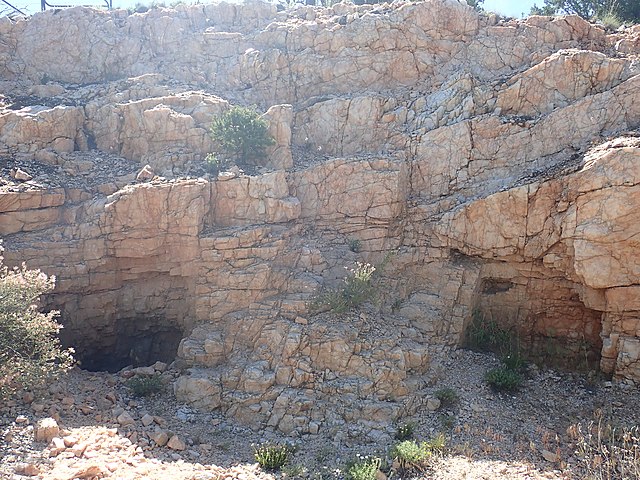
Beneath the green hills of Nepal’s Lesser Himalayas lies a resource often described as grey gold. Its story stretches back millions of years to a time when ancient seas once covered these mountains. Over geological time, those waters left behind vast limestone deposits that have since become a crucial foundation for development across the region.
This limestone is far more than a simple rock. It links the economic interests of two neighboring countries, Nepal and India. For landlocked Nepal, these deposits represent an important economic opportunity, while India relies on the resource to support its growing construction and infrastructure sectors. Major Indian companies, including Reliance and UltraTech, have invested in operations across the border, converting raw limestone into cement used in bridges in Bihar and high rise buildings in Kathmandu.
What Is Grey Gold and Why Is It So Special?
For geologists, Nepal’s Lesser Himalayan belt is a region of remarkable significance. Studies show that it contains extensive layers of limestone and dolomite, formed through ancient geological processes linked to prehistoric seas and tectonic shifts. These mineral deposits not only hold economic value but also provide important clues about the geological history of the Himalayas.
From a scientific perspective, the accumulation of these minerals helps researchers understand how the Himalayan mountain system evolved over millions of years. At the same time, it attracts industrial investors seeking reliable long term sources of raw materials. A detailed resource map released by the United Nations highlights the strategic distribution of limestone and other minerals across the India–Nepal border. In many ways, nature has spread these resources beyond political boundaries, creating a shared economic opportunity for both countries.
The December 2025 Decision That Changed the Landscape
In December 2025, the Government of Nepal approved mining licenses for seven new companies focused on limestone extraction. According to recent reports, the cabinet made this decision to accelerate cement production and meet growing market demand.
This move is significant because it directly expands production capacity and strengthens Nepal’s industrial base. Increased mining activity is expected to stimulate local economies, create employment opportunities, and attract further investment into the sector.
The Mahabharat Range, part of the Lesser Himalayas, is widely known for its striking natural beauty. However, an official report from Nepal’s Department of Mines and Geology indicates that this mountain range also contains immense reserves of industrial minerals, particularly limestone.
According to the report, the deposits within this mountain chain are large enough to support cement and construction industries for many decades. As a result, the Mahabharat Range is increasingly viewed not only as a natural landmark but also as a strategically important industrial resource.
Why Indian Companies Are Investing in Nepal’s Limestone?
Nepal’s limestone resources have attracted significant interest from Indian corporations. The Reliance Group is involved in limestone mining operations in central Nepal, using the extracted raw materials to support cement production. This illustrates how natural resources from one country can contribute to industrial activity across the border.
UltraTech Cement, one of India’s largest cement producers, has also secured access to raw material sources as part of its broader South Asian expansion strategy. Industry reports indicate that the company has taken strategic steps to acquire mining assets, including companies such as National Limestone Company. These developments highlight the long term importance of Nepal’s limestone reserves for supporting India’s expanding infrastructure needs.
Can Cement Production Become Environment Friendly?
While mining expansion continues, environmental concerns are also receiving increasing attention. A 2025 project report supported by the Swiss Embassy highlights the potential for producing low carbon cement using Nepal’s limestone resources.
The study explains how modern technologies can significantly reduce carbon emissions during cement production. Such innovations offer a balanced path forward, ensuring that economic development does not come at the expense of environmental sustainability. It demonstrates that industrial growth and environmental responsibility can progress together.
The journey of this grey gold begins deep within the earth and rises to shape the emerging skylines of South Asia. With new government approvals and strategic cooperation between companies and nations, limestone is no longer merely a buried resource. It has become a key driver of infrastructure, employment, and shared prosperity. From bridges in Bihar to high rise buildings in Kathmandu, its strength will continue to shape the region’s future.
Sources:
https://tinyurl.com/285edu2r
https://tinyurl.com/2xzebpwv
https://tinyurl.com/22ssyuuc
https://tinyurl.com/2dy8aa2n
https://tinyurl.com/2yr9f339
https://tinyurl.com/25ycrlo9