


Timelines 10
Man and his Senses 10
Man and his Inventions 10
Geography 10
Fauna 10
Timelines 10
Man and his Senses 10
Man and his Inventions 10
Geography 10
Fauna 10
Imagine sitting in a home along the border of India and Nepal. A steaming plate of Dal Bhat is placed before you. The yellow lentils, fragrant rice, and spicy pickles are staples in both countries. It is impossible to label this meal as strictly Indian or Nepali because it belongs to both. For centuries, this simple plate has nourished bodies while weaving the cultures of two nations into a single fabric. This journey of flavor begins in the plains of Bihar and winds its way into the valleys of Kathmandu. It reveals how a humble bowl of Khichdi and mountain preservation techniques serve as the greatest witnesses to a shared heritage.
Is Khichdi a simple dish or an ancient legacy?
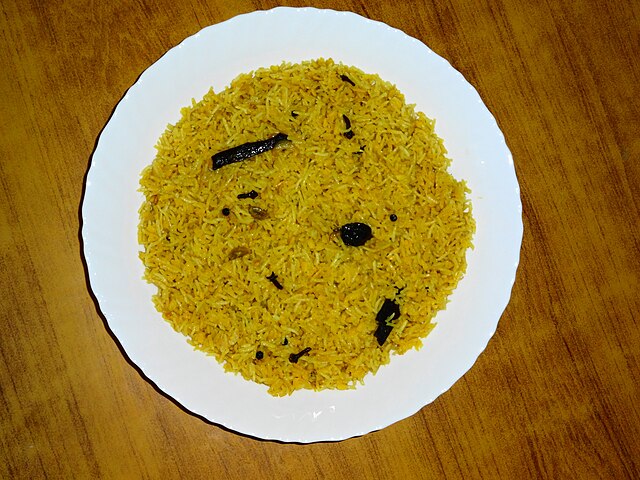
The mere mention of Khichdi brings a sense of simplicity to mind. This mixture of rice and lentils is celebrated as the ultimate comfort food across South Asia. Its history is vast, originating from the Sanskrit word Khiccha which refers to a dish of rice and legumes. Since ancient times, this meal has been an integral part of life. Whether served as a light diet during illness or as the primary offering during festivals like Makar Sankranti, Khichdi is omnipresent. History shows that everyone from Greek ambassadors to famous travelers like Ibn Battuta mentioned this dish in their journals. This recipe knows no borders. It is prepared in Indian kitchens with the same love and familiarity found in Nepali households.
Has the food of the poor become a gourmet choice?
There was once a time when Khichdi was considered food only for laborers or the unwell. Traditionally, it was seen as a poor man's meal because it was easy to make with very few ingredients. However, times have changed. Today, the same Khichdi has earned a prominent place on five star hotel menus and has become a top choice for those who are health conscious. In many parts of India and Nepal, it is served regally with ghee, papad, yogurt, and pickles. This shift demonstrates how traditional eating habits have evolved from being mere survival tools into symbols of cultural identity and pride for the modern world.
How did the cold Himalayan winds change the way people eat?
While fresh grains and vegetables are available year round in the plains, the story is different in the high reaches of the Himalayas. Research suggests that the unique climate and geography of the mountains gave birth to innovative food preservation methods. During long and harsh winters in Nepal and the hilly regions of North India, fresh food was hard to find. Consequently, people adopted the technique of fermentation. They fermented leafy greens and soybeans to create foods like Gundruk and Kinema. This method did more than just prevent food from spoiling because it also provided essential nutrition during the bitter cold. This is why the flavors of a mountain meal are distinct from those in the plains yet remain just as nourishing.
What is the cultural significance of fermented foods?
Preserving food in the mountains was not just a necessity for survival but became a core part of the local culture. In Nepal, fermented foods hold deep cultural and social value. These items are not eaten solely for their taste because they are also considered a blessing for physical health. For centuries, Nepali communities have passed this wisdom down from one generation to the next. This food is an inseparable part of their identity. When comparing the hill states of India with Nepal, we find that this traditional wisdom of food preservation is nearly identical in both places. It proves that our ancestors knew exactly how to live in harmony with the environment.
Is Hindu Society in Nepal Entirely Vegetarian?
Given the shared food heritage between India and Nepal and the deep influence of Hinduism, it is often assumed that Nepali society must be predominantly vegetarian. However, the reality is quite different and fascinating. It is true that cows are deeply revered in Nepal; they are considered a sacred creation of God, and killing a cow is a very severe offense. But this profound reverence for cows does not mean that the local population abstains from meat altogether.
In fact, non-vegetarian food is a major part of the daily diet in many Nepali homes. Dietary habits often vary according to caste; while some castes are strictly vegetarian or abstain from specific types of meat, many other families prefer to eat chicken, buffalo, or goat with every single meal if they can. The deep-rooted tradition of hospitality—treating the guest as God—is also very evident here. Hosts are incredibly generous and will often persistently urge their guests to eat meat dishes as a gesture of warmth and respect.
Interestingly, while the concept of vegetarianism is completely respected and easily accepted by the locals, the idea of "veganism" (refusing milk and dairy products) leaves them entirely baffled. If a guest declines meat, the hosts understand, but refusing milk, yogurt, or ghee comes as a great surprise to them. In their culture, dairy is not only a symbol of purity but is considered absolutely essential for physical strength, proper nutrition, and overall good health. This aspect of the Nepali dining experience adds yet another unique layer of diversity, belief, and flavor to their shared culinary heritage.
How did salt and spices connect the mountains to the plains?
The journey of food was not confined to the kitchen but traveled along treacherous paths across the landscape. According to UNESCO, the trade routes through Himalayan passes, often known as the Silk Road or salt routes, played a vital role in connecting different communities. Traders carried more than just goods along these paths because they also carried culture. Salt and wool from the high mountains of Tibet and Nepal were brought down to the plains while grains and spices from India were sent back up. Turmeric and other Indian spices traveled these routes to reach Himalayan kitchens while mountain herbs made their way down. This exchange enriched and inspired the culinary traditions of both regions.
In India and Nepal, food has never been viewed as just a physical requirement. In these regions, eating has profound ritualistic and social importance. There is a beautiful tradition of treating the guest as God where serving food is considered a sacred duty. Preparing and sharing a meal is a holy act that binds a community together. Whether it is a temple offering or a festival meal made at home, every bite is connected to faith and devotion. This shared belief connects the people of India and Nepal on a mental and spiritual level where the kitchen is regarded as the most sacred spot in the house.
Sources:
https://tinyurl.com/29nx3my9
https://tinyurl.com/26n3boam
https://tinyurl.com/28y8gc2k
https://tinyurl.com/29v7pdt2