


Timelines 10
Man and his Senses 10
Man and his Inventions 10
Geography 10
Fauna 10
Timelines 10
Man and his Senses 10
Man and his Inventions 10
Geography 10
Fauna 10
For centuries, the early morning silence in the rural homes of India and Nepal was broken by a rhythmic grinding sound. This was the music of the traditional stone mill, locally known as the Janto, which was once recognized as the powerful engine of the rural kitchen. It was not just a tool for grinding grain but a heartbeat of rural life that has now been largely drowned out by the noise of fast electric mills. In this article, we will try to understand the cultural and scientific legacy of this simple yet incredibly useful device and discover how it can still prove to be a blessing for our health today.
What is the traditional stone mill and how does it work?
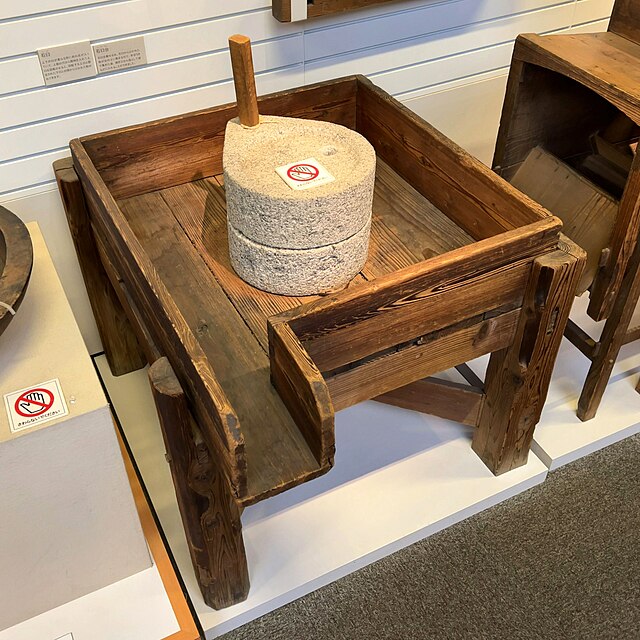
A detailed technical study by Kathmandu University has deeply analyzed the engineering of the traditional Janto, its functionality, and its harmony with the human body. This study reveals that the design of the stone mill is an excellent and flawless example of traditional science in itself. This machine is mainly composed of two heavy circular stones placed one on top of the other. Right in the center, there is a wooden peg called the Mani. To easily rotate the upper stone, a handle called the Hato is attached to the edge. All these parts come together to form a brilliant mechanism that grinds grain without generating excessive heat.
Why is stone ground flour healthier than flour from modern machines?
This traditional technique of grinding grain is called cold grinding. When grain is ground in modern and fast moving electric mills, a lot of heat is generated, which destroys many essential vitamins present in the grain. On the contrary, a study published in a scientific research journal conducted a deep scientific comparison between flour ground in a stone mill and a roller mill. This research clearly proved that grinding in a stone mill preserves proteins and essential enzymes for the body in much higher quantities. This is the main reason why traditional Sattu and flour contain a special kind of sweetness and much better nutrition that you simply cannot find in packaged flour today.
Is this grinding method directly related to the real taste of our food?
The health benefits obtained from the Janto are now also being linked to the slowly growing global Slow Food movement. According to an article discussing the ancient heritage of food, the taste, aroma, and quality of spices and grains ground on stone are far superior to those ground by modern electric machines. This slow grinding process prevents the natural oils of the grains from evaporating and retains them completely, bringing out the authentic flavor of the food. It is a sensory experience that modern machines can never replicate.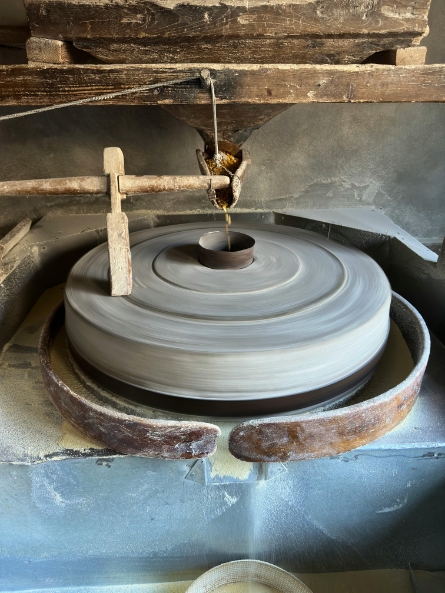
What role does the stone mill play in deeply rooted local cultures?
The Janto has always held a special place in the deep culture of Nepal and the Indian Himalayan regions. A detailed discussion on the use of this stone mill in Nepali cuisine shows that its function is not just limited to grinding everyday flour. During festivals in Nepal, the role of the Janto becomes extremely important, especially for preparing rice flour, coarsely grinding various types of lentils, and crushing traditional kitchen spices. This is precious knowledge passed down from generation to generation that has given local dishes their distinct and highly special identity.
How did mechanization affect the lives of women and their social fabric?
For the women of the Terai and hilly areas, the story of the Janto is not just about nutrition or cooking food. It is also the story of their heavy daily labor and social life. A sociological study deeply examined the hard work involving traditional tools like the Janto in the context of rural poverty, non agricultural employment, and the participation of women. This study explains that before mechanization, operating the Janto every morning was very heavy physical labor for women. However, singing songs together and sharing their joys and sorrows while grinding at dawn was also a massive source of social connection for them. The arrival of electric machines certainly reduced this heavy burden from the lives of women, but along with it, that shared time and an incredibly beautiful social fabric of rural life also shattered.
Has the closure of these traditional mills affected local artisans too?
The direct and harsh impact of the arrival of electric mills has not only fallen on women or the kitchen culture. According to a recent report from January 2026, artisans who have been carving stones and making the Janto for generations in the Terai region of Nepal and India are now facing a very large and serious economic crisis. The demand for this device, which was once considered the most basic necessity of every rural home, has now started to decline continuously. Because of this, this centuries old excellent craft is on the verge of extinction, and the traditional communities associated with it are struggling hard today to save their daily livelihood.
Is the traditional mill becoming a means of livelihood and rural entrepreneurship again?
Even though electric mills in the villages have largely silenced the sweet sound of the Janto, this glorious tradition is not completely dead. Instead, it is now emerging in a new form. A very inspiring story has come forward in this regard from the Indian state of Bihar. Here, several self help groups of women have once again turned to the Janto. They are abandoning modern machines and using the traditional stone mill to prepare premium quality Nalanda Sattu. This brilliant initiative has not only created a highly sustainable and strong livelihood model for these rural women but has also met the huge market demand for pure products made through traditional methods.
Can this ancient mill pave the way for our future?
This step taken by the hardworking rural women of Bihar and Nepal proves that considering the Janto merely an old relic of yesterday would be a big mistake. Today, when the whole world wants to rapidly return to an environmentally friendly and sustainable lifestyle, this simple stone tool that runs without electricity shows us a very clear path to the future. Amidst the continuously growing demand for pure, unadulterated, and healthy food, this ancient Janto is now emerging as a new and incredibly powerful model of rural entrepreneurship and environmentally responsible living.
Sources:
https://tinyurl.com/253ajyuv
https://tinyurl.com/25cvt6ks
https://tinyurl.com/29h63yyu
https://tinyurl.com/27rmysa4
https://tinyurl.com/25v585ve
https://tinyurl.com/2dlcdmjv
https://tinyurl.com/26zvcejv