


Timelines 10
Man and his Senses 10
Man and his Inventions 10
Geography 10
Fauna 10
Timelines 10
Man and his Senses 10
Man and his Inventions 10
Geography 10
Fauna 10
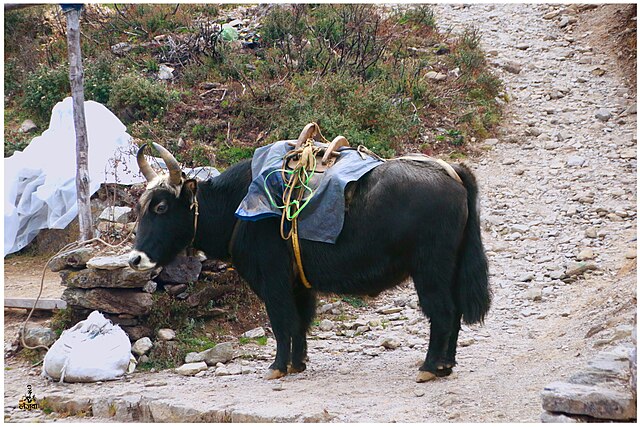
For centuries, only one sound echoed across the high and incredibly inaccessible mountain passes between India and Nepal, and that was the sound of bells tied to the necks of yaks. A very deep history is hidden amidst the terrifying and freezing fog of the Himalayas. This is the history of the ancient and lost salt routes, where brave porters and long caravans of mules risked their lives to carry rock salt and wool. These extremely narrow and dangerous trails, carved by the footsteps of ancestors, were absolutely not just a means of trade. Rather, they were invaluable lifelines that kept the remote villages of the mountains alive. Historical and academic documents show that this traditional trade taking place between India and Central Asia through Nepal was not limited to the movement of goods. These routes gave a new shape to the diplomacy, mutual relations, and culture of the entire region. These animal caravans passing through high passes worked to connect two different civilizations, and it was through them that life moved forward at its own pace in this region.
Who were the unsung heroes of the mountains that kept these routes alive?
When we talk about these snowy and difficult paths of the Himalayas, it becomes incredibly important to mention the traditional porters who have been the unsung heroes of this mountain transportation system. These porters kept these dangerous trails populated for centuries by carrying heavy loads on their backs. Research and documents reveal that they carved and maintained these paths with the hard work and sweat of their generations. Delivering food and daily necessities to those helpless villages situated on inaccessible peaks was possible only relying on the unbreakable courage of these porters. However, time is changing very rapidly today, and that old silence of the peaks is also breaking forever. The sound of animal hooves on these mountains has now been replaced by the deafening roar of heavy machines and engines. While the rapid construction of modern roads has opened new doors of development on one hand, it has created a deep and existential crisis for the livelihood of these traditional porters on the other. The speeding vehicles are snatching away their ancestral livelihood on the very paths they had nurtured with their blood and sweat.

How is the Hulaki highway transforming old paths into modern trade routes?
Moving away from animal caravans and the sweat of porters, this journey of connectivity between the two countries has now reached modern highways and paved roads. The highly ambitious Hulaki Highway being built in the Terai region of Nepal is the most living example of this major change. This project is also called the Postal Highway. This massive construction work is a highly crucial step in connecting the Terai areas situated on the border of India and Nepal. This project is reviving those old and historical paths that messengers once used to deliver their messages. Today, these paths are turning into wide and modern trade corridors, which will completely change the economic picture of the border areas. Laying a modern network of roads on this border of the Terai will not only increase trade but will also make the movement of ordinary people incredibly easy. However, bringing these large cross border connectivity projects to the ground is not an easy task. According to prestigious studies, acquiring land for the massive construction of new roads and railway lines remains a very large, complex, and sensitive challenge today, which both countries have to struggle with daily.
What changes will the dream of an electric train from Raxaul to Kathmandu bring?
Apart from roads and highways, another spectacle of development is emerging which seemed nothing short of a miracle or imagination just a few decades ago. This is the future dream in which a massive train will run from Raxaul in India to the capital of Nepal, Kathmandu. This is a state of the art electronic train project that will carve its path by tearing through the chest of the high and harsh mountains of the Himalayas. After this electricity powered train becomes operational, the long and tiring journey from the plains of Bihar in India to the Kathmandu Valley of Nepal will be reduced to just a few hours. This historical project will not only give wings to trade between the two countries but will also work to bring the citizens of both countries even closer. According to recent news reports from March 2025, Nepal is very deeply assessing the cost, technical details, and future challenges of this cross border railway line. To bring this massive and historical project to the ground, the Nepal government is openly seeking financial help and technical guidance from New Delhi.
How important is saving the environment amidst this rapid pace of development?
Digging deep tunnels and laying paved roads in the mountains can undoubtedly be necessary for development and the economy, but today we are also facing the heavy price of this progress. The natural and ecological system of the Himalayas is highly fragile, unstable, and sensitive. Due to the construction of such heavy infrastructure on the mountains, deforestation and the risk of natural disasters are increasing very rapidly. Detailed and authentic research done on the sustainable development of mountains gives a clear and stern warning that by carrying out heavy construction work without careful thought, we will completely destroy the very nature that gives us life. To avoid this destruction, experts around the world are now strongly advocating for safe alternatives like green transportation. Adopting tools like electric ropeways to travel and transport goods in high mountains without harming the environment is the biggest demand of the time today. Only with the help of these modern and safe alternatives can we protect our shared nature and the purity of the mountains. Ultimately, it is very important to understand that whether this journey is completed sitting on the back of a tired mule or sitting in a high speed air conditioned electronic train, its ultimate and most sacred goal has always been the same. That goal is to keep the hearts of these two nations strongly connected to each other and to ensure that the heartbeats of India and Nepal always beat together in the future as well.
Sources:
https://tinyurl.com/24dqev56
https://tinyurl.com/28kjhty5
https://tinyurl.com/23khvbyg
https://shorturl.at/PIriy
https://shorturl.at/OO1gp
https://tinyurl.com/2yy9fcr2
https://shorturl.at/CTBpE