


Timelines 10
Man and his Senses 10
Man and his Inventions 10
Geography 10
Fauna 10
Timelines 10
Man and his Senses 10
Man and his Inventions 10
Geography 10
Fauna 10
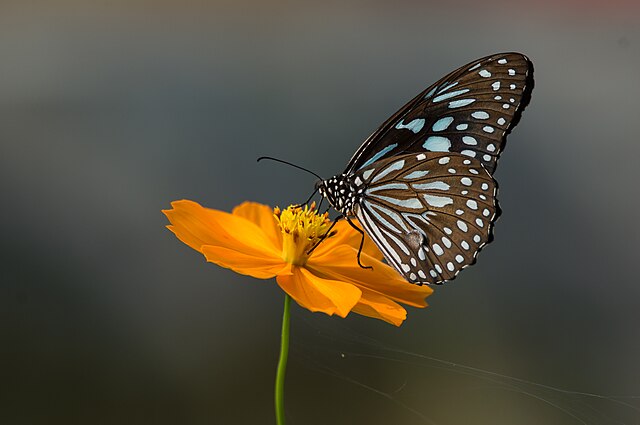
Imagine a tiny and beautiful traveler that flies freely across political borders without the need for a visa or passport. With its vibrant orange and black wings, this small butterfly weaves the skies of India and Nepal into a single natural tapestry. When we think of migration, we often picture large animals or birds, but this story invites you into the incredible world of these winged nomads that travel hundreds of kilometers to escape the harsh weather. We are speaking specifically about the close relatives of the Monarch butterfly, such as the Striped Tiger and Common Tiger. These butterflies are more than just beautiful insects; they are living symbols of the fragile ecosystem of South Asia and our centuries old cultural traditions. Their journey is as thrilling as it is perilous in our modern age.
How does the magical transformation from an egg to a magnificent butterfly unfold?
The life cycle of these flying gems is one of the greatest and most magical wonders of nature. This beautiful journey begins with a tiny egg placed on the leaf of a simple plant called milkweed. After a short time, the egg hatches to reveal a striped caterpillar. This caterpillar spends its entire time eating leaves and growing rapidly. Once it has consumed enough food, it encases itself in a stunning and mysterious jade green chrysalis. Inside this shell, a magical chemical process occurs that transforms a crawling creature into a winged wonder. After a few weeks, the chrysalis breaks open and a majestic butterfly with magnificent orange and black wings emerges, fully prepared to take flight and begin its long journey.
Why does this tiny traveler undertake a seasonal migration between India and Nepal?
The life of these butterflies does not remain in one place; they constantly change their location according to the mood of the weather. Scientific research and interviews with prominent Nepalese butterfly researcher Sanej Suwal make it clear that the migration of these Himalayan butterflies is a complex and life giving process. When winters intensify in the Himalayan foothills of Nepal and the weather becomes bitterly cold, these butterflies take flight to escape the harsh conditions. They leave the cold valleys of Nepal and head toward the relatively warmer plains of India. As soon as the season changes again, they begin their return journey. This migratory pattern in the Himalayan border regions of India and Nepal has always amazed scientists, as such a tiny creature possesses the precise direction and strength required to complete such a long and exhausting trip.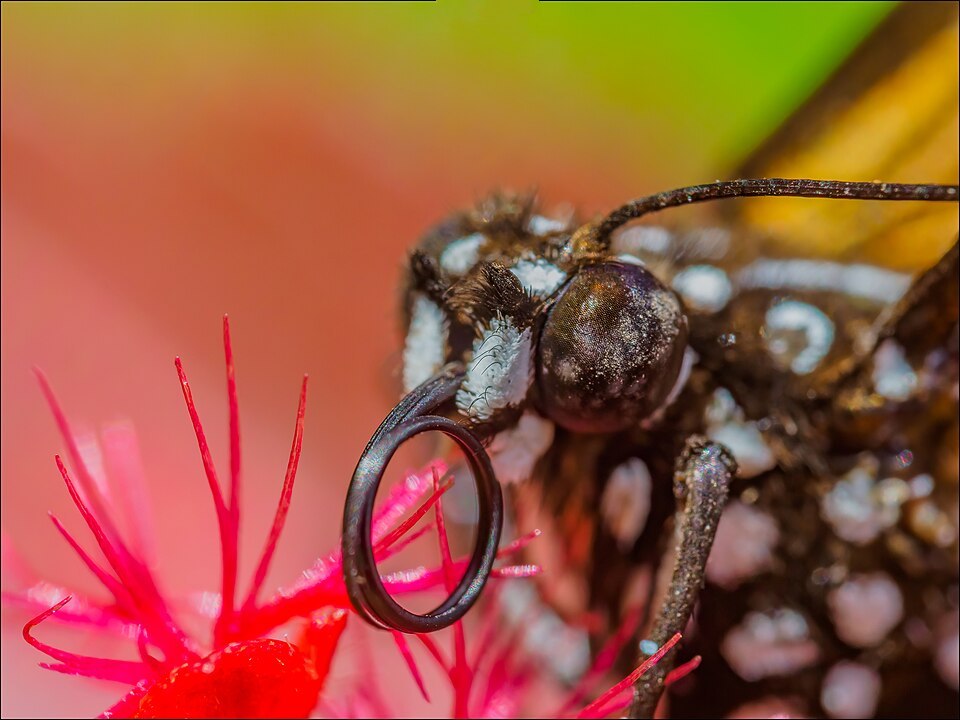
Why are butterflies essential for agriculture and farmers?
We often view butterflies merely as beautiful creatures hovering over flowers, but their role in the Himalayan biosphere is much larger and more serious. According to detailed government reports, these butterflies serve as the best friends of farmers within our agricultural and natural ecosystems. When these butterflies land on plants to drink nectar, pollen grains stick to their legs and bodies. In this way, they unintentionally complete the vital process of pollination, which is essential for crop yields. Millions of farmers in India and Nepal who depend on agriculture for their livelihoods may not realize the immense hard work and contribution these tiny butterflies hide behind the swaying crops in their fields. If these butterflies were to disappear, our agricultural productivity and the greenery of our forests would be completely destroyed.
What is their connection to ancient folklore and the Goddess Durga?
Beyond science and ecology, these butterflies have carved a deep and sacred spiritual niche in the lives of people in South Asia. Unique cultural research conducted in western Nepal shows that these colorful butterflies are not considered ordinary insects. According to local beliefs and folklore, butterflies are directly linked to the origin of the Nav Durga goddesses. In many Indian and Nepalese rural communities, there is a firm belief that when a butterfly enters a courtyard, it is actually the soul of a deceased ancestor returning to earth to check on the family and offer blessings. This deep spiritual faith, viewing butterflies as symbols of the divine and messengers of ancestors, has unintentionally served as a major reason for their conservation for centuries.
How are the insect apocalypse and climate change threatening their existence?
A major and deadly threat now looms over this beautiful meeting of nature and faith. South Asia is currently experiencing a period that environmental experts are calling the insect apocalypse. Due to indiscriminate deforestation and human encroachment into Himalayan biodiversity hotspots, the natural homes of these butterflies and the plants where they lay eggs are rapidly vanishing. Additionally, the use of toxic chemical pesticides to increase crop yields has devastated the populations of these delicate creatures. Climate change has disrupted seasonal cycles, affecting both the timing and the routes of their migration. If the balance of rain and temperature continues to falter, the flowers on which these butterflies depend for food during their long journey will fail to bloom.
What cross border efforts are necessary to save this beautiful traveler?
To save these rapidly vanishing species, expressing concern is no longer enough; strict and joint actions are required. Since these butterflies are not the property of a single nation and their lives depend on the climates of both India and Nepal, cross border policies must be established for their protection. Experts like Nepalese researcher Sanej Suwal have warned that we must take insect conservation seriously. Both countries must work together to create safe forest corridors where the use of toxic pesticides is prohibited and plants like milkweed are replanted. This tiny butterfly teaches us that nature conservation is not the task of a single country. If we do not take the right steps in time, these flying gems that fertilize our fields and carry the messages of our ancestors will disappear from the sky forever, and future generations will only hear about them in stories.
Sources:
https://tinyurl.com/289v3vv6
https://tinyurl.com/22rjngbh
https://tinyurl.com/228a36vn
https://tinyurl.com/244tzdvg
https://tinyurl.com/25d6w5f7
https://tinyurl.com/2ytf9f4a
https://tinyurl.com/228y8e5d