


Timelines 10
Man and his Senses 10
Man and his Inventions 10
Geography 10
Fauna 10
Timelines 10
Man and his Senses 10
Man and his Inventions 10
Geography 10
Fauna 10
Have you ever seen a creature that defies gravity, running across vertical rock faces as if strolling through a meadow? The Himalayan Tahr is a remarkable mountain animal that thrives in the thin air of the world’s highest peaks. Known as the king of the snowy and inaccessible mountains between India and Nepal, this animal is celebrated for its fearless and sure footed movement. Living on steep precipices, this is not merely a wild goat but a vital and delicate link in the vast Himalayan ecosystem. With specialized rubbery hooves and a thick copper brown winter coat, it is a masterpiece of nature. However, this mountain monarch now faces grave threats within its own home. Amidst shrinking pastures and environmental shifts, India and Nepal are coming together once again to save this deity of the mountains.
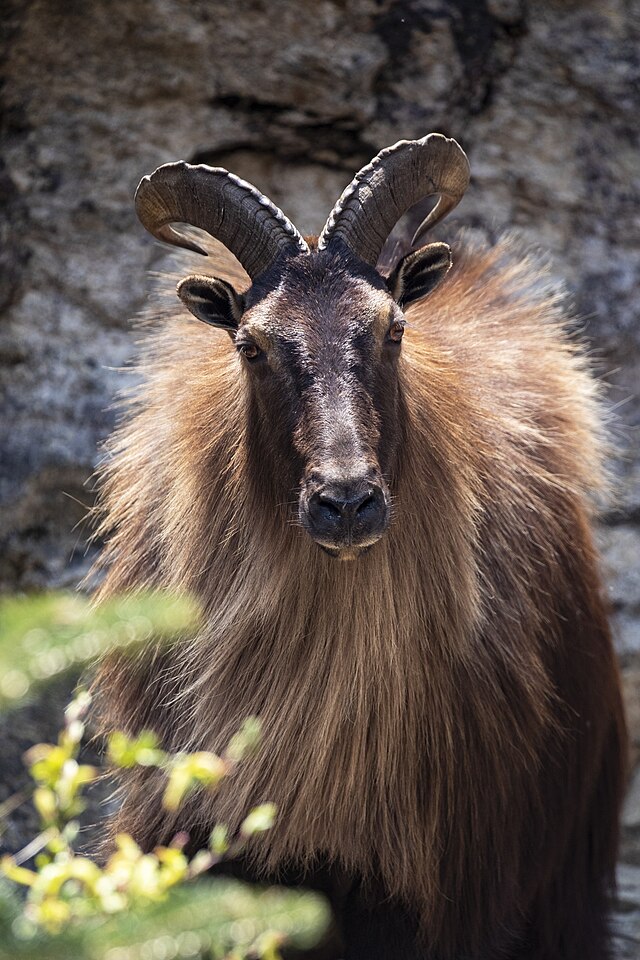
The physical structure of the Himalayan Tahr is perfectly evolved for survival on the treacherous slopes of the high mountains. Their most remarkable feature is their unique rubbery hooves. These hooves are designed to provide a firm grip even on smooth and vertical rocks, preventing them from slipping into deep ravines. Visually, males are distinguished by their triangular horns and dense fur that grows during the winter. During extreme cold, they develop a thick and woolly mane around the neck and chest, acting as a magnificent shield against freezing winds. This incredible physical strength and design allow them to navigate the most difficult terrains on Earth without fear.
Why are they so important for the mountain ecosystem and snow leopards?
From an ecological and biological perspective, the Himalayan Tahr serves as a primary indicator species for the health of high mountain environments. As major herbivores, they graze on the hardy vegetation of the high altitudes. This continuous grazing process maintains the health and natural balance of alpine meadows. Furthermore, their role in the food chain is essential for sustaining life. These animals are the primary food source for top predators like snow leopards and common leopards. Scientists believe that if the Tahr population vanishes, the entire predatory ecosystem will collapse. Therefore, the entire cycle of the Himalayan environment revolves around the survival of this species.

What is their place in Himalayan folklore and spiritual beliefs?
Beyond science, the Himalayan Tahr shares a deep connection with local culture and spirituality. In Nepal, locals refer to it with great respect as the Thar. In the ancient folklore of remote mountain villages, this creature is regarded as the soul of the sacred peaks. Local communities firmly believe these animals are silent witnesses to the dwellings of gods and part of a mystical landscape where supernatural powers reside. The ability of the Tahr to survive in harsh conditions mirrors the resilience of the people who call the Himalayas home. This spiritual and cultural bond motivates local residents to champion its conservation.
How is this animal transforming the economy and tourism of remote mountain villages?
The livelihoods of people in remote Himalayan villages are changing rapidly. Once dependent on traditional farming and subsistence herding, these villages are now turning toward modern wildlife tourism. In protected areas like Sagarmatha National Park in Nepal and the Great Himalayan National Park in India, tourists and nature lovers from around the world arrive to catch a glimpse of this Emperor of the Mountains. The income generated from eco trekking and wildlife sightings has sparked a positive revolution in the local economy. Financial data shows that in certain Himalayan regions, wildlife and religious tourism contribute up to fifteen percent of the total GDP. The presence of creatures like the Tahr has provided remote villagers with a new and sustainable way of life.
How are rising temperatures and livestock crowds becoming a threat?
Despite their natural strength and remote habitats, the Himalayan Tahr is no longer safe. The International Union for Conservation of Nature has classified them as Near Threatened due to their declining numbers. Today, the greatest dangers they face are habitat fragmentation and climate change. As Himalayan temperatures rise, the vegetation on high alpine slopes is being negatively affected. Another major challenge is the competition from domestic livestock. With the growth of human populations, large numbers of domestic animals are being brought to these slopes for grazing. This leaves insufficient natural food for the Tahr, creating a significant crisis for their survival and for future generations.
The shrinking population of the Himalayan Tahr has disrupted both the environment and the peaceful coexistence between humans and wild animals. When predators cannot find their natural prey like the Tahr, they are forced to attack domestic livestock. In response to these economic losses, herders sometimes kill snow leopards. To stop this deadly conflict, saving the Tahr population is absolutely essential. Recognizing this crisis, India and Nepal have launched a massive cross border initiative called the Sacred Himalayan Landscape. This international project spans across Nepal and the Sikkim and Darjeeling regions of India. Its primary goal is to protect high altitude biodiversity and secure the corridors used by these animals. These collective efforts bring hope that the future of this magnificent cliff dweller will remain secure.
Sources:
https://tinyurl.com/2y25yudv
https://tinyurl.com/24k665wa
https://tinyurl.com/27xcrsct
https://tinyurl.com/27qhqowf
https://tinyurl.com/2xkyce8s
https://tinyurl.com/25ho59rs