


Timelines 10
Man and his Senses 10
Man and his Inventions 10
Geography 10
Fauna 10
Timelines 10
Man and his Senses 10
Man and his Inventions 10
Geography 10
Fauna 10
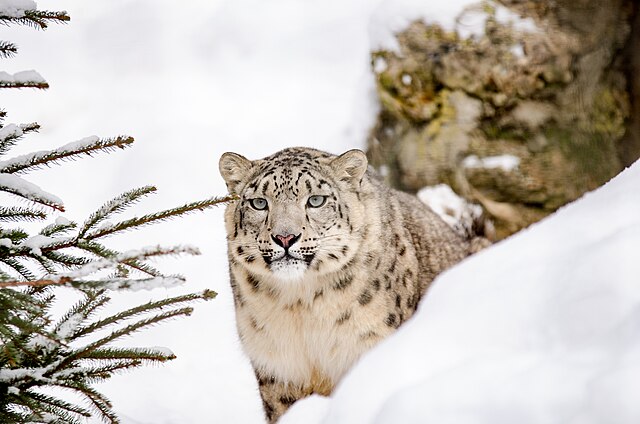
In the thin air of the Himalayas where most creatures struggle to breathe, a mysterious cat rules in silence. Often called the Ghost of the Mountains, scientific research has recently uncovered the truth of how this animal survives at such extreme heights. Contrary to popular belief, their blood does not possess a super hemoglobin to bind oxygen tightly. Instead, they use a unique evolutionary strategy. The Snow Leopard living on the frozen peaks of India and Nepal represents a stunning blend of biology and belief. This elusive predator forces us to reconsider how nature designs physical and genetic systems to thrive in the most punishing conditions.
How does their body function in freezing cold and thin air?
Breathing at the roof of the world without specialized hemoglobin is a biological wonder. Recent studies show that Snow Leopards possess mutations in specific genes known as EPAS1 and EGLN1. Interestingly, these are the same super athlete genes found in humans living in the high altitude regions of Tibet. These genes prevent their blood from becoming too thick. If blood thickens excessively, there is a high risk of clots, but this genetic adaptation keeps the blood flowing smoothly and ensures maximum oxygen usage. Additionally, they have massive chest cavities that help them inhale large volumes of air in a single breath. Their nasal passages are also larger than average, acting as natural heaters that warm the frigid air before it reaches their lungs. Their wide paws act like natural snowshoes to distribute their weight, while their dense fur provides a shield against the brutal cold.
How do these mysterious hunters define their social lives?
Despite inhabiting vast and difficult territories, Snow Leopards are incredibly solitary. They prefer to live alone rather than in groups, and their social structure is very limited. A male and female only come together during the breeding season. To claim their territory and communicate with others, they use a unique system of scents and scratches. They leave claw marks on rocks and spray specific scent chemicals. This scent informs other leopards that the area is already occupied, preventing unnecessary hunting conflicts. This silent language helps them avoid direct confrontation and ensures their survival in the immense silence of the mountains.

Is local faith the strongest tool for their protection?
The life of a Snow Leopard is not just a biological miracle but is also deeply woven into the spiritual and cultural fabric of the Himalayas. In Buddhist communities within Ladakh in India and the high altitude regions of Nepal, this animal holds a sacred status. A recent report from 2025 indicates that local monasteries and villagers worship the Snow Leopard as a protector or a deity of the mountains. This religious faith serves as a powerful shield for their conservation. According to Buddhist beliefs, harming nature or its inhabitants is a sin. Consequently, local villagers and monks stand firmly against poaching. When faith and science merge, a conservation model is created that often proves more effective than law alone.
What steps are being taken by the governments of India and Nepal?
Since these creatures do not recognize human borders and roam freely between India and Nepal, international cooperation is vital for their future. An historic step was taken in 2025 through the Kathmandu Resolution. Under this agreement, both India and Nepal have pledged to strengthen the protection of these cross border leopards. Both nations are now working together to secure migration paths and exchange vital information. On the other side, the administration in Ladakh, India, released a special report on International Snow Leopard Day in 2025. This initiative included a fresh census and local awareness campaigns. These efforts make it clear that governments now realize that saving this mountain protector is equivalent to saving the entire Himalayan ecosystem.
Sources:
https://tinyurl.com/296wcldm
https://tinyurl.com/24wjznty
https://tinyurl.com/28duvfb7
https://tinyurl.com/2cswj9eh
https://tinyurl.com/27lqor95
https://tinyurl.com/253ppjdp
https://tinyurl.com/2ctzr6h6