


Timelines 10
Man and his Senses 10
Man and his Inventions 10
Geography 10
Fauna 10
Timelines 10
Man and his Senses 10
Man and his Inventions 10
Geography 10
Fauna 10
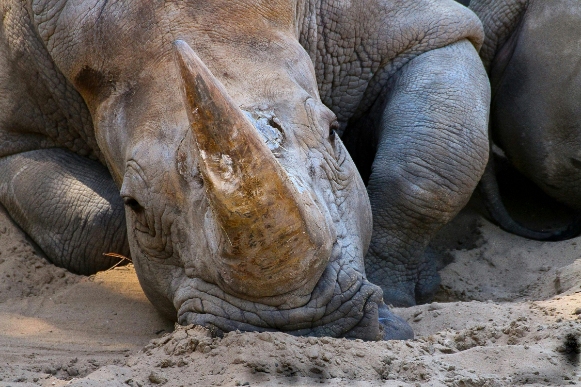
While Javan rhinos are on the brink of extinction, the populations of the Indian rhinoceros in India and Nepal have shown a small but vital increase. This growth is no accident; it is the direct result of decades of strict conservation laws and anti encroachment drives. Stretching from the alluvial plains of Assam to the river valleys of Chitwan, this grey giant binds two nations together. The one horned rhino is the cornerstone of the Terai ecosystem. Although scientists in both countries are doing everything possible to protect them, new threats like climate change, devastating floods, and invasive plants are posing a serious challenge to this shared heritage.

What makes the physical design and ecological role of the rhino so unique?
The one horned rhino is one of the most distinctive creatures on earth. Its body is covered in thick folds of skin that resemble heavy battle armor. The most famous feature is its single horn which is actually made of hardened hair fibers. This massive herbivore prefers to eat grass, leaves, and twigs. It uses a flexible upper lip to grasp and pull tall vegetation easily. These giants are known as the gardeners of the Terai ecosystem. As they move and graze, they spread seeds across great distances and modify the terrain to create a healthy environment for smaller animals to thrive.
What are the similarities between the habitats of Kaziranga in India and Chitwan in Nepal?
The rhinos of India and Nepal live in two distinct yet rich environments within the Terai landscape. Kaziranga National Park in India is famous for its alluvial grasslands and marshy riverbanks. The tall grass provides the perfect cover and food source. On the other hand, Chitwan National Park in Nepal is a UNESCO World Heritage site located in the foothills of the Himalayas. It features Sal forests and sprawling riverine meadows. Rhinos love to wallow in muddy water to regulate their body temperature and stay safe from insects. Both locations provide the abundant water and humid climate that are fundamental for their survival.
How have water needs and climate change become a double edged sword?
Water and mud are essential for rhino life, but these natural gifts are becoming dangerous traps. Due to climate change, the monsoon has become increasingly intense and unpredictable. When massive floods hit the rivers of Assam and Nepal, the low lying sanctuaries are submerged, leading to the loss of many lives. Beyond floods, a silent threat is rising in the form of invasive plant species. In Nepal, aggressive vines like Mikania micrantha are spreading rapidly. These vines suffocate native trees and grasses, destroying the primary food source for rhinos. The combination of floods and disappearing food resources is creating a major survival crisis.
Why is the one horned rhino so significant in our culture and history?
This massive creature is not just a biological wonder; it is deeply rooted in the folklore and spirit of India and Nepal. In Assam, the one horned rhino is celebrated as the pride of the state. Historical evidence from the ancient Indus Valley Civilization seals shows rhino figures, proving a cultural connection that is thousands of years old. Folk tales from Northeast India often portray it as a magical and mysterious being. Similarly, Nepal views this animal as a national treasure. Historically, the rhino was linked to the monarchy, and its protection is seen as a matter of national honor. This deep cultural respect motivates local communities to help protect these animals today.
What new scientific steps are being taken to protect them from floods and other threats?
A new scientific era of conservation has begun to prevent these rare animals from disappearing. To combat the danger of floods, scientists and forest departments are building artificial highlands. During heavy rains when the forest is underwater, rhinos can take shelter on these elevated mounds. Additionally, the Indian Rhino Vision was launched to reduce the risk of keeping the population limited to just one forest. This project aimed to increase the population to three thousand and spread them across seven different protected areas in Assam. As part of this plan, rhinos were moved from Kaziranga to their ancestral home in Manas National Park. The National Trust for Nature Conservation in Nepal is following a similar strategy by moving rhinos from Chitwan to parks like Bardia to ensure that a single disease or natural disaster does not wipe out the entire species. These grey giants crossing international borders remind us that environmental protection is a shared responsibility. When science, community support, and strong government policies work together, even an endangered species can recover from the edge of extinction.
Sources
https://tinyurl.com/29tye4j7
https://tinyurl.com/2yhryv7v
https://tinyurl.com/2426ldt8
https://tinyurl.com/2byro4d3
https://tinyurl.com/24amynsr
https://tinyurl.com/22wvyv6c