


Timelines 10
Man and his Senses 10
Man and his Inventions 10
Geography 10
Fauna 10
Timelines 10
Man and his Senses 10
Man and his Inventions 10
Geography 10
Fauna 10
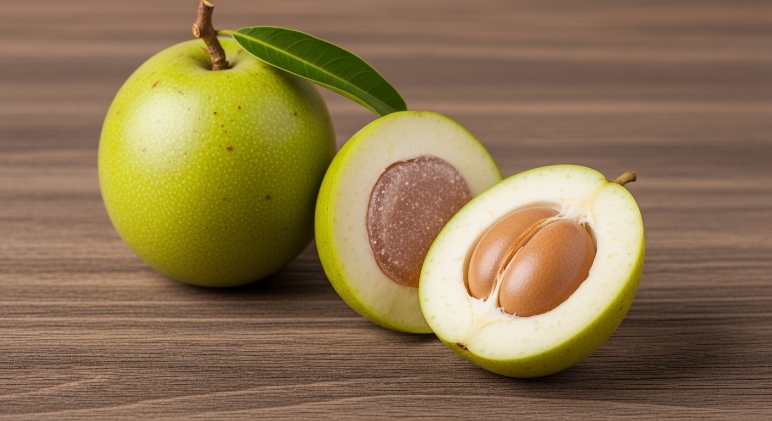
When you step into the vibrant and colorful local markets of India and Nepal, various unique natural wonders catch your eye. Among these surprises is the Lapsi tree, known in scientific circles as Choerospondias axillaris. This tree produces an extraordinary tangy fruit that is famous across the entire region due to its special characteristics. This article is an informative journey through which we will uncover the secrets of this sweet and sour fruit. We will explore its unique composition, consisting of a fleshy pulp and a stone hard seed. Furthermore, we will look back at history to see how these durable fruits were traded between Indian and Nepalese communities via ancient mountain routes. This fruit is not just about taste; families in both nations use its sharp pulp to create traditional pickles, spicy candies, and delicious fruit leather. This blend of nature, flavor, and commerce shows how a small fruit deeply connects the people, health, and rural economies of India and Nepal.
How do we identify this unique fruit and its physical structure?
The Lapsi fruit holds a very distinct place in botany and the local ecosystem. Botanical records describe Choerospondias axillaris as a tree primarily spread across the Himalayas and surrounding areas. The most recognizable feature of this plant is its fruit. When you examine it, you find a very sour and fleshy pulp inside. However, right at the center of this pulp lies a rock hard seed. This tough pit and tangy flesh set it apart from other common fruits. The Lapsi tree has existed in this region for generations, and its fruit has established a long cultural relevance in local beliefs and culinary history.
What is the history of this fruit in the ancient trade between India and Nepal?
Beyond science and the plant kingdom, this small fruit has a rich and historical trade journey. Research papers based on geographical distribution prove that Lapsi fruits have a long history across the Himalayas. In ancient times, when modern transportation did not exist, these natural resources were used to connect communities along the difficult mountain paths of India and Nepal. Because of their tough exterior, Lapsi fruits did not spoil easily, allowing ancient traders to carry them safely from one place to another. This historical trade was not just about economic exchange; it helped build strong cultural and social ties between remote mountain communities in both nations.
Which delicious dishes are made from this tangy fruit in local cultures?
Alongside trade, this fruit has found a magical place in local kitchens and daily diets. Cultural reports emphasize that this wild fruit is a hidden treasure for the people of Nepal and India. For generations, families have mastered the art of turning this sour fruit into tasty delicacies. Women and artisans extract the tangy pulp to prepare mouth watering traditional pickles. Additionally, the pulp is dried and mixed with spices to create popular spicy candies and fruit leather. These traditional treats are more than just food; they are a beautiful celebration of the rich cultural heritage and way of life in the region.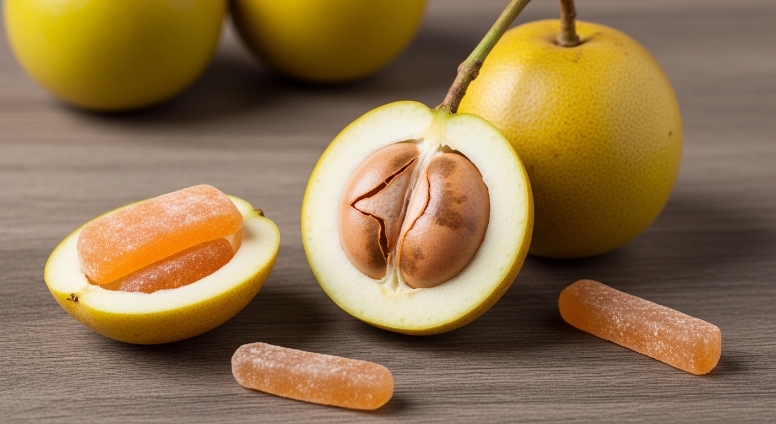
How did this wild fruit become a vital part of daily lifestyle and diet?
The sharp and sweet and sour taste of Lapsi has made it an essential and beloved part of the regional lifestyle. Lifestyle and travel reports discuss the unique flavor and benefits of this fruit in detail. The reports mention that the tangy pulp is so popular that it is fully integrated into daily diets and special event menus. There is a long tradition of using it in regional culinary arts. People enjoy the taste while knowing that this wild fruit is a massive natural source of Vitamin C, which strengthens their health from within.
How does science view its nutritional value and Vitamin C content?
Modern science and medical research have now confirmed the health claims made by local communities. A scientific review explains the medicinal importance hidden within the Lapsi fruit. This analysis found that the natural pulp contains extremely high levels of Vitamin C. It also contains powerful antioxidants. These antioxidants fight harmful elements in the body and protect against serious diseases. This high level of Vitamin C provides a significant health boost in daily diets, greatly increasing immunity.
How do researchers analyze the medicinal properties of its pulp and candies?
To understand this blend of tradition and taste, scientists continually test these food products in laboratories. A detailed study performed a thorough nutritional and phytochemical analysis of Lapsi fruit leather and spicy candies. Researchers clarified in their reports that when the tangy pulp is processed into traditional candies, the natural and medicinal benefits remain intact. This study evaluates the nutritional advantages and performs a sensory analysis of the entire process that turns a wild sour fruit into a healthy product.
What role does this fruit play in the economy and livelihoods of rural farmers?
Moving beyond health and taste, this tree has become the backbone of the rural economy. Agricultural reports explore the powerful economic role played by the Lapsi tree. The findings show that sustainable harvesting and successful sales in local markets have created an important value chain for rural farmers. For those with limited income sources, this wild fruit has become a vital support for their livelihoods. By managing this tree sustainably, farmers are not only supporting their families but also building an eco friendly economy that will serve future generations.
Sources:
https://tinyurl.com/2582qjtq
https://tinyurl.com/29ngjuyh
https://tinyurl.com/23f9tmra
https://tinyurl.com/2cljtk3b
https://tinyurl.com/2an6a99g
https://tinyurl.com/2aqrzguk