


Timelines 10
Man and his Senses 10
Man and his Inventions 10
Geography 10
Fauna 10
Timelines 10
Man and his Senses 10
Man and his Inventions 10
Geography 10
Fauna 10
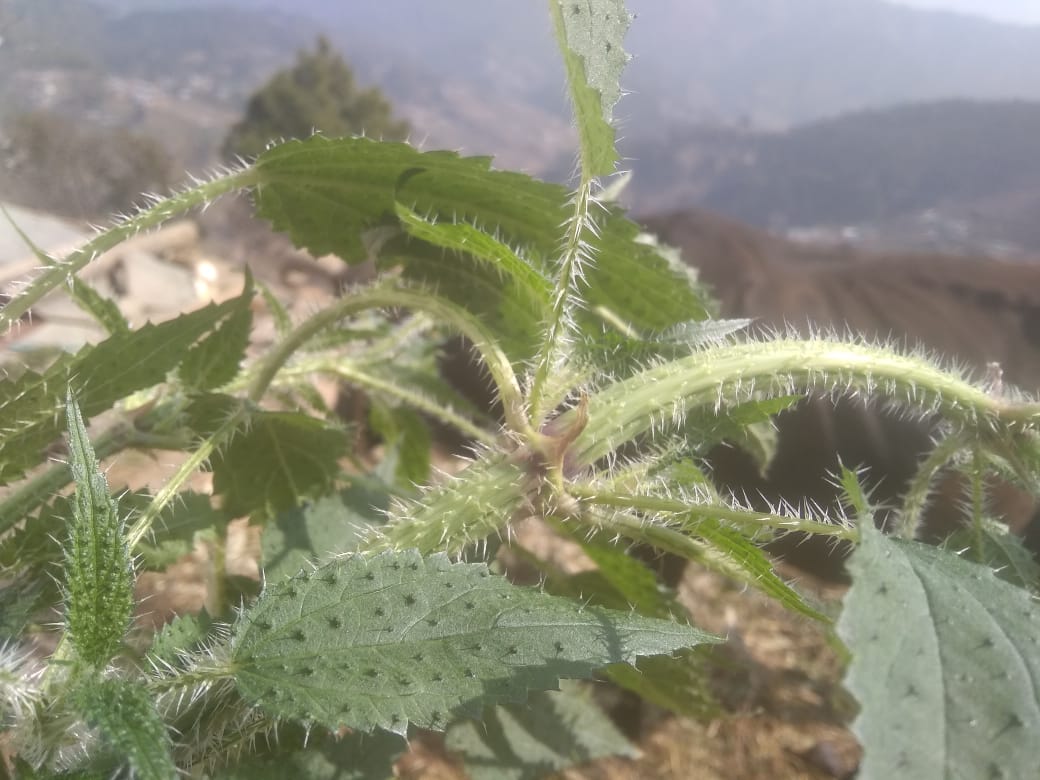
In the inaccessible and rugged mountains of India and Nepal, an amazing plant is found that delivers a sharp sting when touched, yet for the locals, it is nothing short of a miracle herb. Known in botany as Girardinia diversifolia and commonly as the Himalayan Nettle, this plant survives in the harsh environment of extreme heights thanks to its unique genetic diversity. This article is an exciting journey through which we will learn how the special DNA of this wild plant keeps it alive in the mountains. We will look back at history to see how the indigenous cultures of these two nations developed ancient techniques to extract incredibly strong fibers from its bark. Furthermore, we will understand how this thorny plant is providing a sustainable livelihood for rural families today and environmentally friendly textiles for modern markets. This unique blend of science, culture, and sustainability tells us how a wild plant deeply connects the mountain communities of India and Nepal and why it is essential to protect it in this age of climate change.
How does this plant survive in extreme high altitude mountain regions?
The Himalayan Nettle is no ordinary shrub; it is naturally very strong to face the adverse climate of the mountains. Scientific studies have deeply analyzed the DNA and genetic diversity of this plant. These scientific tests used special DNA markers to understand how this plant flourishes in such high altitude areas. Research has made it clear that the unique genetic diversity and special DNA patterns within this plant make it adaptable to the harsh, cold, and challenging mountain terrains of the Himalayas in Nepal and India. Due to this genetic strength and special structure, this stinging plant remains completely successful in maintaining its existence even in hostile conditions.
How did indigenous communities use this plant during ancient times?
Long before modern science, the indigenous mountain communities of India and Nepal recognized the true value of this wild plant. Historical research papers prove that the ancient cultures living in these mountain regions had developed very unique and traditional methods for its use. The original inhabitants of the mountains were completely expert in the ancient and complex techniques of extracting extremely strong fibers from the thick bark of this stinging plant. This historical process of fiber extraction developed by them is clear proof of the deep and accurate understanding that ancient people had regarding the natural resources available around them.
What is its importance in the culture and craft of local tribes?
Beyond mere utility, this plant is deeply woven into the folk culture and daily life of these mountain regions. Detailed documents related to ethnobotany show that the Himalayan Nettle holds great cultural significance among local tribes. For centuries, skilled artisans of these mountain tribes have been weaving the strong fibers obtained from this plant to prepare traditional clothing for themselves. Apart from clothes, these fibers have also been used to create beautiful handicrafts and essential tools used in everyday life. This plant is a very important and living part of the cultural identity and amazing craftsmanship of these communities.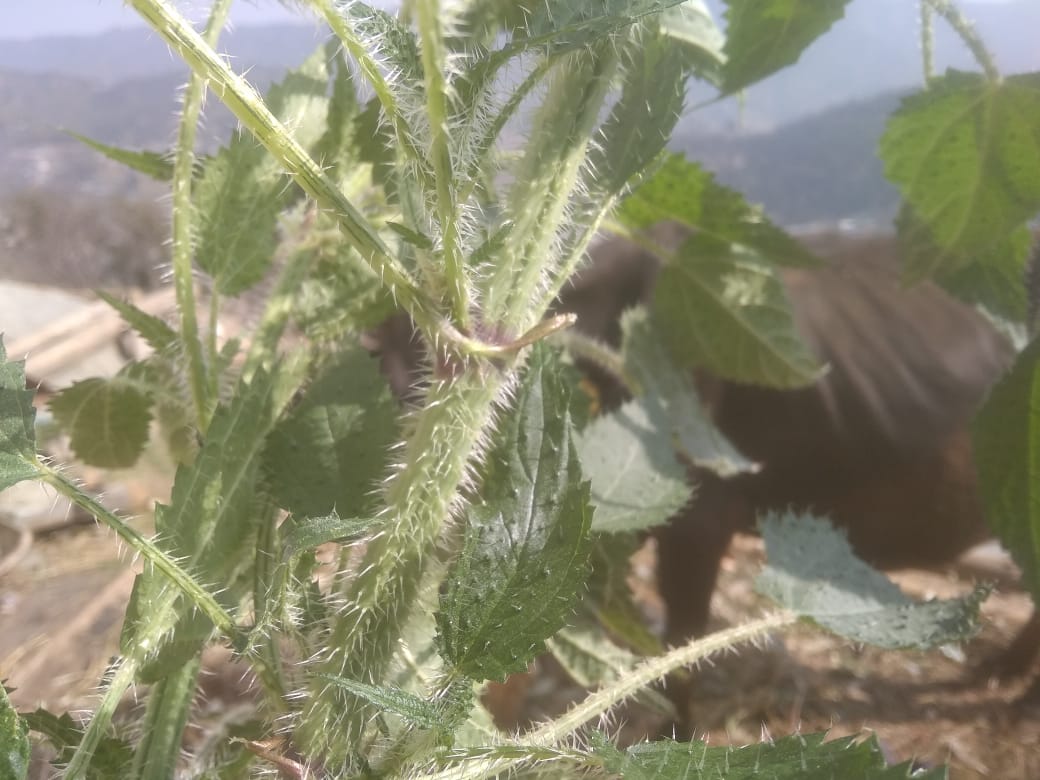
What benefits do the modern textile industry and rural economy receive from it?
In the current times, when the whole world is looking for environmentally friendly alternatives, this traditional plant has emerged as a new economic blessing. Authentic reports related to agriculture and home science emphasize how important the strong fibers of the nettle are for modern textile production. This plant has become a very strong and sustainable means of rural livelihood and income generation. The demand for clothes prepared from its eco friendly fibers is constantly increasing in modern markets. Due to this growing demand, rural families living in the mountains are receiving a lasting economic benefit, which is playing a big role in improving their standard of living.
How is sustainable harvesting changing local livelihoods?
The commercial use of the Himalayan Nettle has started to change the entire picture of the local economy. Special initiatives and experiments like Khar have given a new identity to the sustainable harvesting of this plant. In both India and Nepal, the method of safely cutting and processing this wild plant has breathed new life into local economies. It is no longer just a wild plant; it has become a very strong medium for generating income in these mountain areas. The sustainable harvesting of this plant has proven that the correct management of natural resources can open new doors of prosperity for rural communities.
Why is this plant beneficial for natural dyeing techniques and the environment?
In the textile industry, this plant holds a special place not only for its fibers but also for its role in the ecosystem and dyeing. Agricultural reports describe the natural dyeing techniques associated with the nettle plant in great detail. Local people use it to prepare natural colors that do not cause any harm to the environment. Along with this, managing this wild plant sustainably is also extremely valuable from an ecological perspective. When this plant is conserved and utilized with natural balance in mind, it plays a significant and positive role in protecting the fragile environment of the Himalayas.
Why is there a strict need to protect this plant in the age of climate change?
Although this plant serves as an important economic and cultural support for mountain communities, its existence today faces serious threats. Extensive research reports have expressed serious concerns regarding the current conservation status of the Himalayan Nettle. Due to rapid climate change, the natural habitat of this precious plant and its rich genetic resources are suffering heavy damage. Scientists and environmentalists clearly believe that in this dangerous period of climate change, social and ecological strategies must be adopted immediately to save this plant from extinction. If strict steps are not taken for its conservation in time, the mountains of India and Nepal will lose this extremely valuable genetic heritage forever.
Sources:
https://tinyurl.com/24q8aonk
https://tinyurl.com/26q5eyq5
https://tinyurl.com/23v25a8o
https://tinyurl.com/2cv7me2r
https://tinyurl.com/2d2a2gqe
https://tinyurl.com/29otys2m