


Timelines 10
Man and his Senses 10
Man and his Inventions 10
Geography 10
Fauna 10
Timelines 10
Man and his Senses 10
Man and his Inventions 10
Geography 10
Fauna 10
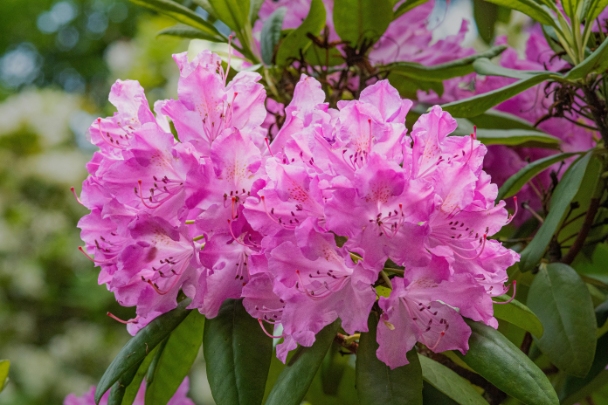
In the cold and misty valleys of the Himalayas, a spectacular tree stands out by turning the forest into a sea of bright red. Known to science as Rhododendron arboreum, and locally known in regions such as Uttarakhand as Buransh, this is no ordinary forest dweller. It is the proud national flower of Nepal and a priceless part of the natural heritage of India’s Himalayan states. When spring arrives after a harsh winter, these red blossoms create a magical aura across high and rugged peaks. This article is an exciting journey to understand how this resilient tree survives in high-altitude and fog-covered environments. We will explore the intersection of ecology, culture, and ancient medicine to see how this beautiful plant deeply connects the natural and spiritual legacies of India and Nepal.
How does this tree thrive in harsh and misty mountain climates?
The most significant characteristic of Rhododendron arboreum is its immense endurance and ability to flourish in difficult, high-altitude locations. In the mountain forests of India and Nepal, where icy winds blow and a thick mist often lingers, this tree has developed unique adaptations to survive. According to detailed botanical analysis, the leaves and branches are structured to easily withstand the severe cold and moisture of the mountains. This flexible tree does more than just tolerate a tough environment; it plays a major role in binding the soil and maintaining local biodiversity. Because of its unique natural temperament and beauty, it is honored with great pride as the national flower of Nepal.
What is the historical importance of this bloom in ancient epics and early travel records?
This tree is not just a subject of modern science; its roots extend deep into the ancient history of India and Nepal. Historical references show that the ancient epics of both nations make specific references to these bright red flowers. When the first foreign travelers and explorers stepped into these inaccessible Himalayan valleys, they were completely mesmerized by the incredible beauty of these trees. Early travel accounts clearly describe how this tree has been an inseparable and one of the most beautiful parts of the Himalayan landscape for centuries. This deep historical weight proves that the tree is not just a biological entity but a witness to generations of folklore and the cultural consciousness of the mountains.
How do mountain communities celebrate the arrival of these blossoms in spring?
For the mountain communities of India and Nepal, spring does not just mean a change in weather; it is a massive natural celebration of the Rhododendron bloom. As soon as these red flowers begin to open, a new wave of joy and enthusiasm spreads through both Indian and Nepalese cultures. Local mountain people consider the blooming a very auspicious sign and view it as the rebirth of nature. During this time, vibrant spring festivals are organized where people sing traditional songs and express their happiness. These cultural events clearly show how mountain folklore and the lives of ordinary people are inseparably linked to these beautiful flowers.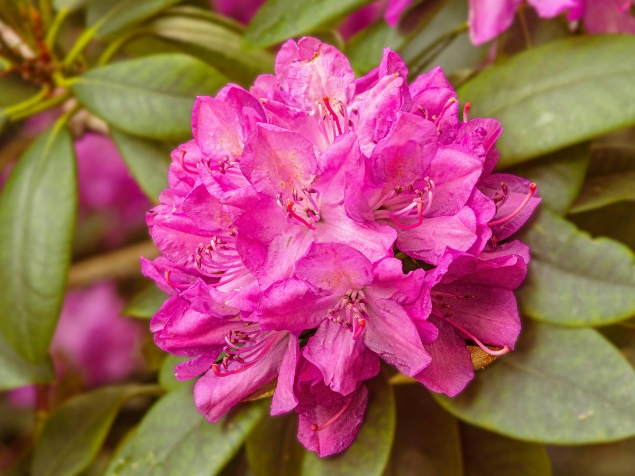
How do traditional healers use these flowers in natural remedies?
The Rhododendron is not just a flower that pleases the eyes; it is also a very powerful and effective natural medicine for traditional Himalayan healers. For centuries, local doctors in the remote villages of India and Nepal have used the flowers and leaves of these trees for human welfare. A special type of traditional herbal tea is prepared by drying the flower petals, offering a very refreshing taste. According to experts in traditional medicine, this herbal tea and the natural decoctions made from it are very effective in treating serious stomach problems and digestive disorders. Additionally, it has been used since ancient times as a reliable medicine to soothe heart related diseases and reduce internal body heat.
What does modern scientific research reveal about its medicinal properties?
The traditional treatments practiced by ancient healers have now been fully validated by modern science and laboratory tests. Many authentic medical studies have been conducted on Rhododendron flowers collected from the remote areas of Nepal. These scientific tests clearly found that the extracts of these red flowers contain very powerful antioxidant properties. These antioxidants protect the human body from various harmful elements and increase immunity. Furthermore, scientific research indicates that these flowers have natural antibacterial properties, which play an important role in destroying dangerous bacteria and preventing infections. This scientific evidence proves that nature has hidden a massive treasure of health in these valleys.
What is the effect of this Himalayan plant on human health and physiology?
The benefits of this Himalayan plant are not limited to external infections; it is also a great blessing for internal body health. According to detailed reports in medical journals, the rich health benefits of the Rhododendron are held in very high regard among Himalayan communities. Its unique chemical properties and phytochemicals make it very special in the field of medicine. These chemical compounds are the reason why it is used so widely in traditional healing. Throughout the Himalayan region, where modern hospitals are still not easily available, people rely entirely on medicines made from these flowers for many of their daily health problems.
How significant is this tree for the economy and local livelihoods?
While this tree is beneficial for the environment and health, it also provides strength to the rural economy of the Indian mountains. Combined studies of botany and economics have revealed that the Rhododendron is being used for significant economic purposes in Indian mountain watersheds. Local people make products like juice, squash, and jelly from its flowers to sell in markets, providing them with employment and economic security. Experts believe that if the process of harvesting and collecting flowers is done in a sustainable and safe manner, it can become a very strong and permanent source of livelihood for mountain people. This economic potential makes it an extremely valuable resource for the Indian highlands.
Why is it vital to protect this precious natural heritage?
Although the Rhododendron tree provides a livelihood and many economic benefits to the communities living in Indian forests, its excessive and uncontrolled exploitation has become a major threat to its existence. Many important environmental reports have expressed deep concern that this magnificent tree is now at risk due to climate change, deforestation, and the indiscriminate picking of its flowers. To save this priceless natural treasure from complete extinction, it has now become very important to take strict and sustainable steps for its conservation. Both India and Nepal must implement tough environmental protection rules to save this iconic tree, so that future generations can also see the Himalayan valleys come alive with the bright red color of the Rhododendron.
Sources:
https://tinyurl.com/24c9zo2e
https://tinyurl.com/2bhkwcvo
https://tinyurl.com/27tqtju7
https://tinyurl.com/28985939
https://tinyurl.com/24c9zo2e
https://tinyurl.com/2b2ng4vs
https://tinyurl.com/256dcyb3